
What does one bad inspection day cost your restaurant?
We’re not predicting you’ll fail. We’re pricing the risk — so you can decide what being ready is worth.
Drag to match your restaurant. Rough is fine.
Just the lost sales. Before re-inspection fees, spoiled product, paid staff sent home, and the grade in your window.
About 3% of a single closed day — once, with lifetime access.
If this course helps you catch one failing gasket, one drain gap, or one missing log before an inspector does, it has paid for itself many times over.
// Illustrative only — actual costs vary by operation and jurisdiction.

Things I find in real kitchens every week
You’re not learning generic compliance. You’re learning the physical issues that quietly become citations — from the technician called to fix them.

Torn cooler gaskets
Small tears that turn into temperature drift, condensation, ice buildup, and inspection questions.

Pest entry gaps
Door sweeps, wall penetrations, drain gaps, and forgotten openings pests use before anyone notices.

Missing logs
Documentation problems that make an otherwise clean kitchen look unmanaged from minute one.
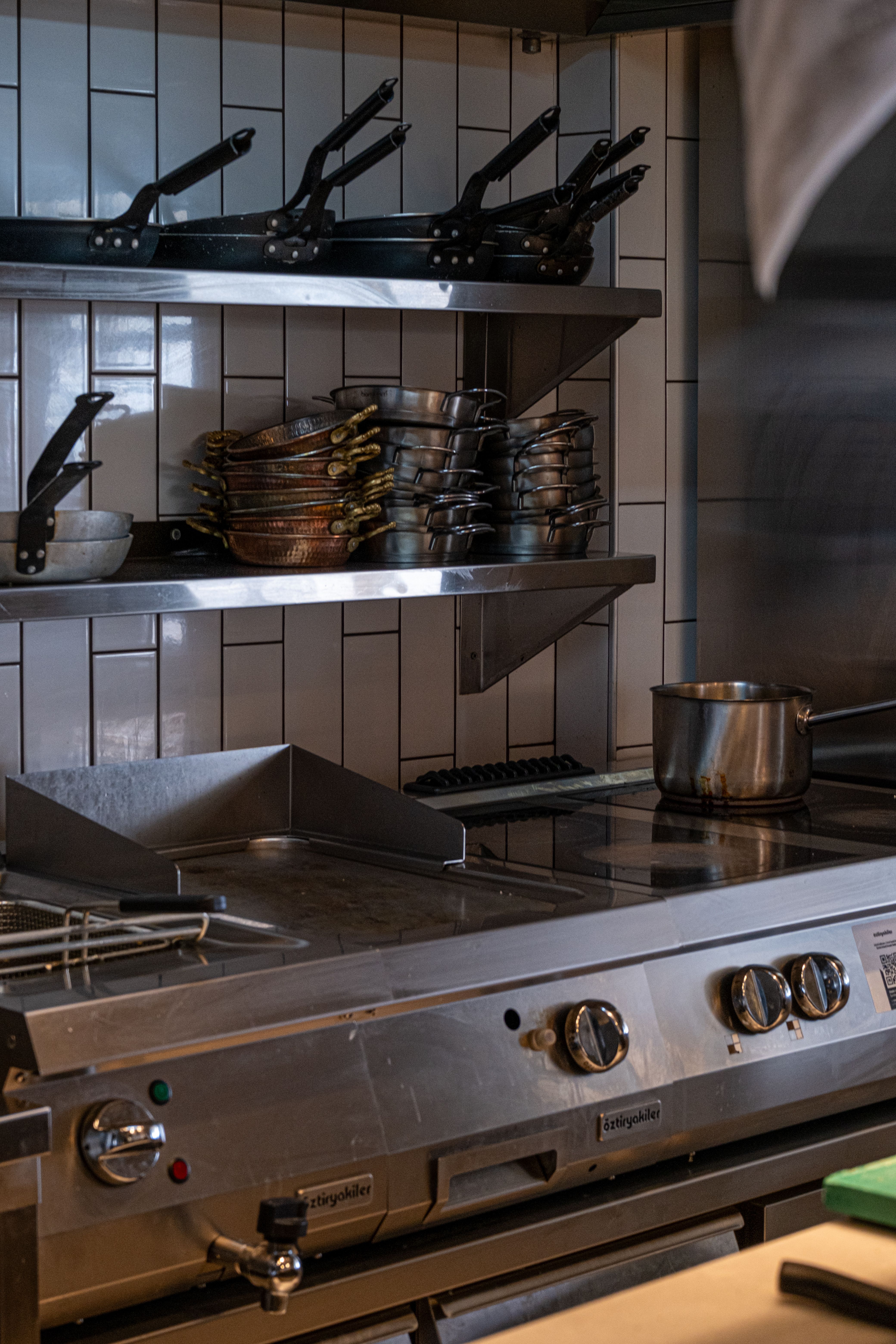
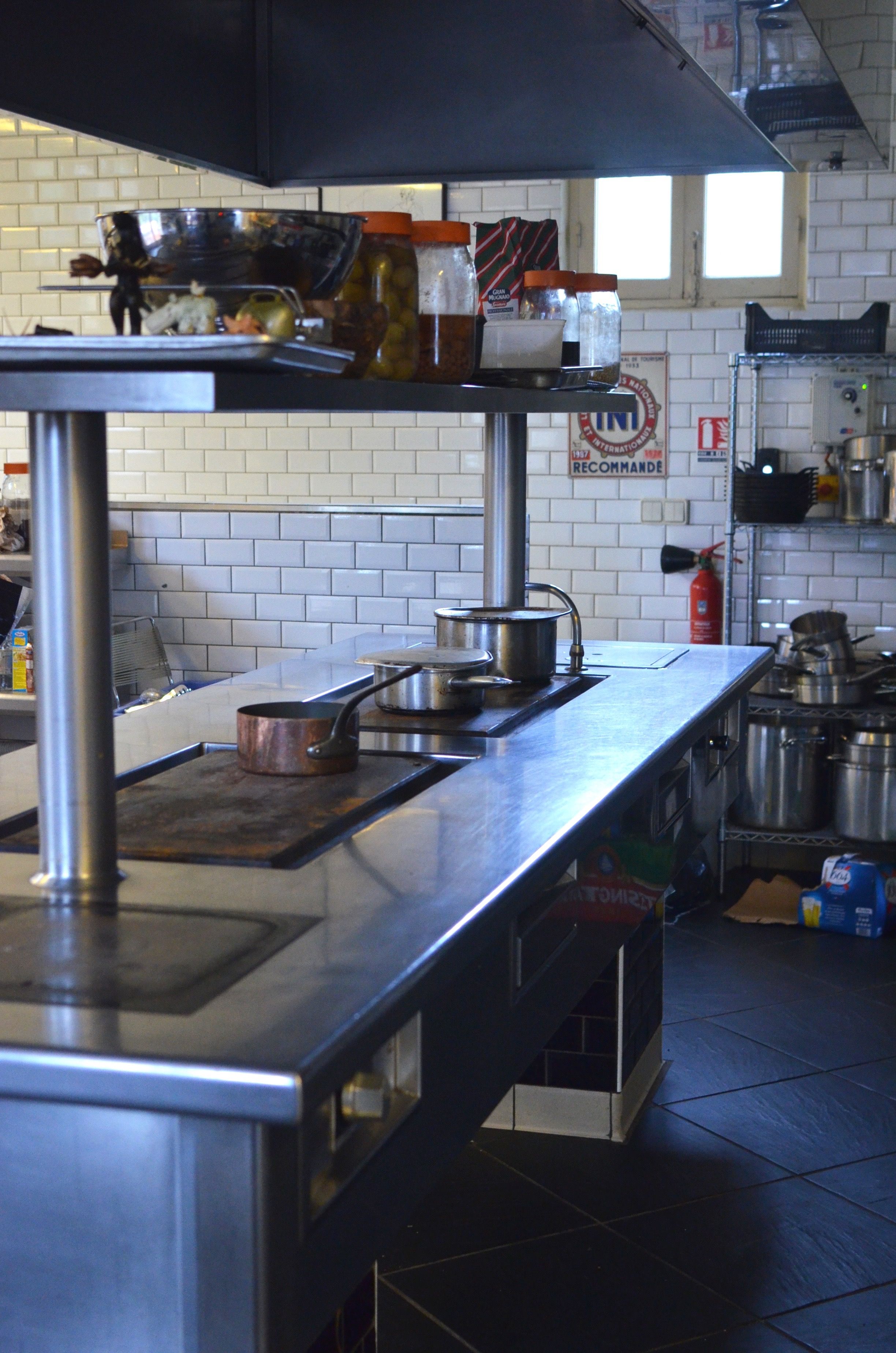
Grease behind equipment
The buildup nobody sees during rush — until an inspector, fire marshal, or pest tech sees it first.
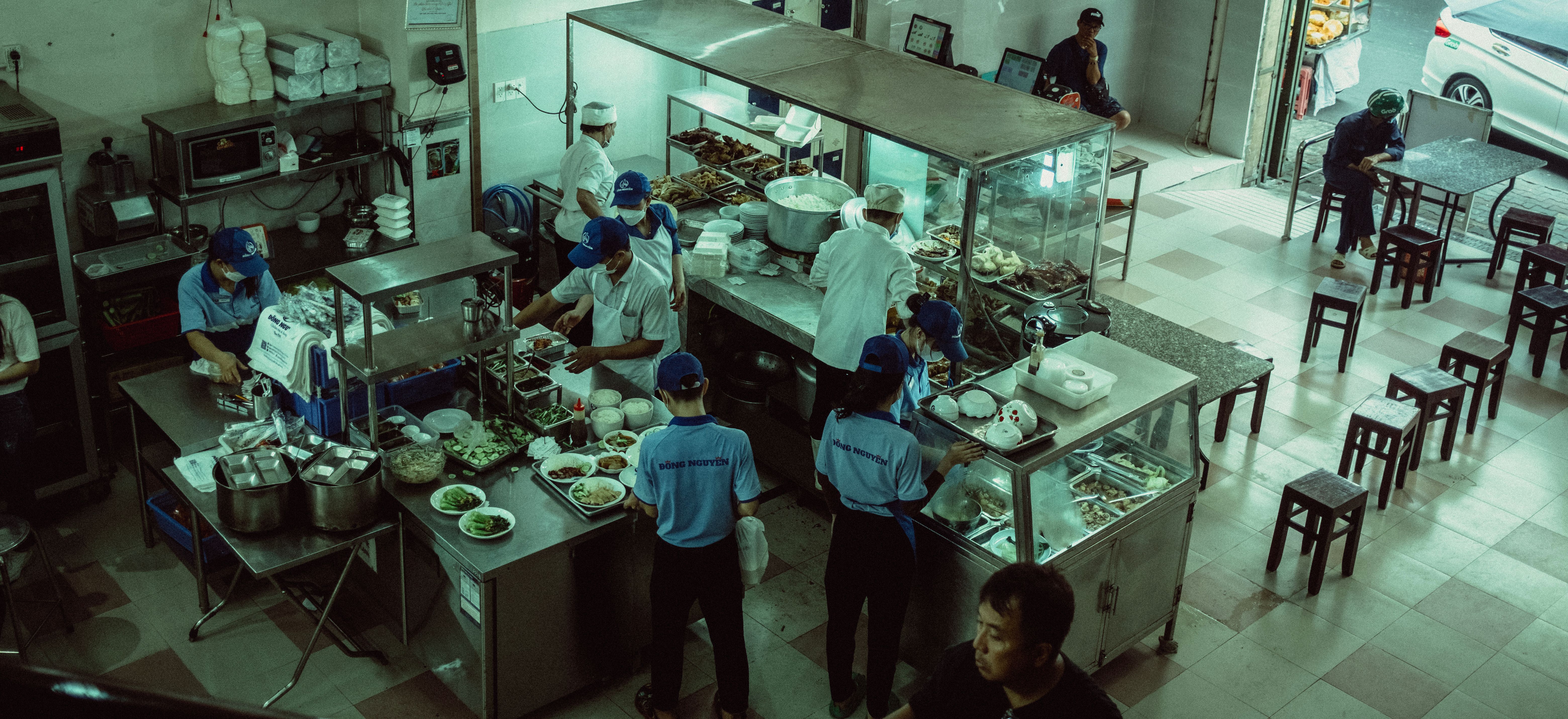
Improper storage
Boxes on floors, blocked access, poor separation, and “temporary” shortcuts that become normal.

Facility failures
Unshielded bulbs, cracked surfaces, damaged walls, broken hardware, and overlooked maintenance.
The advantage: You learn to walk your kitchen like the person restaurants call after something gets flagged — before the inspector has the chance.
Inspections don’t fail restaurants. Overlooked equipment does.
You can run a clean kitchen and still get cited. The violations that cost you most are hiding behind equipment, underneath appliances, and in places your team stopped checking months ago.
Getting shut down on the spot
A critical violation closes you immediately — pest evidence, unsafe holding temperatures, sewage backup, or major sanitation failure. Lost revenue, staff sent home, and a closure that becomes public record.
A grade your customers can see
A bad inspection result is a public statement about your kitchen. Customers notice it. Reviews mention it. You lose tables you may never know you lost.
Fines that stack fast
Violations compound. One uncorrected citation, one missed re-inspection, and you can be paying hundreds to thousands before the month is over.
Not knowing what you don’t know
The most dangerous position of all. You think you’re ready. The inspector walks in and finds three things behind your equipment you haven’t checked in months.
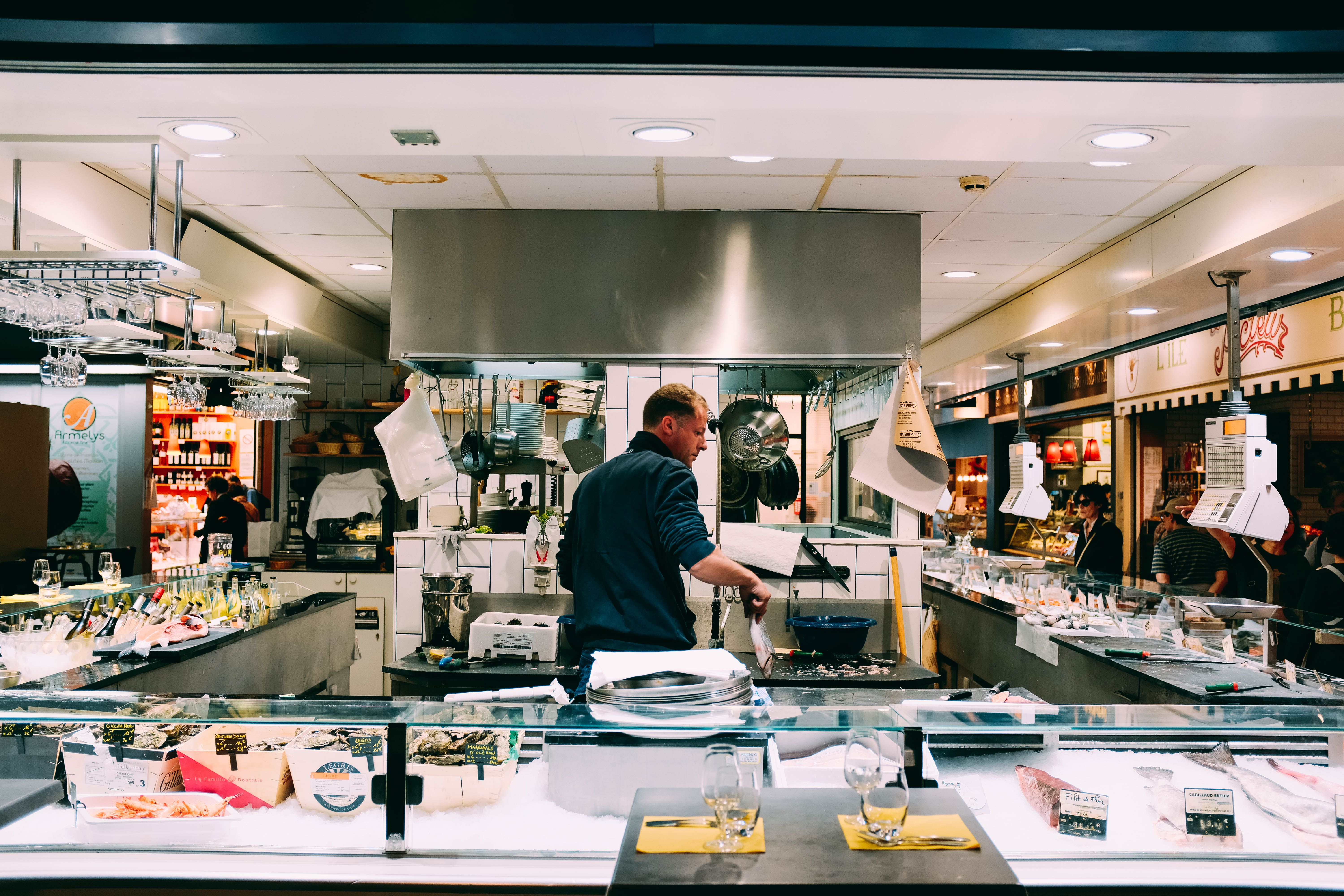
Most inspection training is taught by former inspectors or certification instructors. They know the code. What they don’t know is what’s behind your equipment — the gasket that’s been failing for six months, the hood system that hasn’t been properly cleaned since installation, or the floor drain that quietly became a pest entry point.
I’m a commercial kitchen technician. I’m in hundreds of kitchens every year. I’ve seen every violation. I fix what inspectors flag every day. And when a restaurant gets cited, I’m the one they call to remediate the issue — so it never happens again.
I built this course to show you what I see the moment I walk into a kitchen — and how to find and fix those issues before an inspector ever does.
That perspective doesn’t exist in generic inspection training.
Built for the people responsible for passing
Owners, operators, GMs, and kitchen managers who want a real inspection-readiness system instead of another generic checklist.
You own the place
Inspections make you uneasy — not because your kitchen is dirty, but because you’ve never been sure what “ready” actually looks like from the inspector’s side of the clipboard.
You’ve been burned before
You’ve passed before. You’ve also had violations you didn’t see coming. You want a systematic way to prepare your team and your equipment.
You’re the accountable manager
You want knowledge from someone who has physically been inside hundreds of commercial kitchens and knows exactly where problems hide.
Sound like you? Lock in early bird pricing →
How inspections actually work
Scoring systems, violation categories, and what triggers a re-inspection. Most owners don’t understand what inspectors are truly measuring. You will.
Equipment violations inspectors find first
Gaskets, seals, door closers, grease traps, and deferred maintenance failures owners walk past every day.
Refrigeration and temperature integrity
Why readings drift, how gasket wear causes it, and what it takes to stay in range consistently. Close enough is not ready.
Cooking equipment, hoods, and grease
The buildup that becomes both a fire hazard and a violation. Where inspectors look that you probably don’t.
Pest entry points disguised as maintenance
The gaps, seals, and structural issues that invite infestations — and how to close them before they become citations.
The technician’s walkthrough
How to walk your kitchen the way a technician does. A different set of eyes changes everything.
Documentation inspectors ask for
Logs, certifications, maintenance records, and the paper trail that signals a compliant operation before the walkthrough starts.
Your pre-inspection system
The weekly routine that makes inspection day routine. Stop preparing for inspections. Run a kitchen that’s always ready.
Ready before your next service week ends
A simple process your team can actually use — not another binder that gets ignored.
Enroll & watch
Instant access to all eight modules. About 90 minutes total — one sitting, or a module a day with your morning coffee.
Walk your kitchen
Use the technician’s walkthrough and printable checklist to see your own line the way an inspector will. Most people find something on the first pass.
Run the weekly system
Put the routine in place so inspection day is just another day. Stop preparing for inspections — run a kitchen that’s always ready.
One price.
Everything included.
Zero risk.
Early bird access locks in at $97 — before the price moves to $197 when launch closes. One-time payment, lifetime access, no subscriptions.
- 8 video modules — practical, kitchen-level instruction
- Pre-inspection checklist — printable PDF
- Equipment failure reference guide
- Weekly kitchen walkthrough template
- Lifetime access, plus all future updates
// Pass the Kitchen — Full Course
One-time payment · Instant access · Yours for life
Get instant access — $97// Early bird pricing ends when the launch window closes — no countdown games. The price simply goes to $197.
Everything else you’re wondering
Is this a ServSafe replacement?
No. ServSafe certifies your team on food safety practices. This course covers the equipment and facility side — the physical maintenance failures that cause violations, which ServSafe doesn’t address. They work together.
Does this work in my state?
Yes. The equipment and facility risks covered here are common across commercial kitchens. Local rules vary, but broken gaskets, poor temperature control, pest entry gaps, grease buildup, damaged surfaces, and missing logs are universal inspection concerns.
How long does the course take?
The core modules run about 90 minutes total. Watch it in one sitting or work through it over a week. Most people watch a module, walk their kitchen to apply it, then move to the next.
What if I already passed my last inspection?
Good — keep it that way. Inspectors return unannounced. This course builds a system so you’re never scrambling to prepare again.
What if it doesn’t help me?
Then it’s free. If you don’t find at least one thing in your kitchen you didn’t know was a violation risk within 30 days, you get every dollar back. That’s the whole policy.