
Your “A”
is one missed inspection from a “C”
I visit 100+ restaurant kitchens a month to repair the exact things health inspectors write up – torn gaskets, door gaps, drains nobody’s checked in months. In 90 minutes you’ll be able to see what I see, so you catch them before an inspector does.
Pre-inspection scan
What I’d flag walking your line
Violation found
The violations that close kitchens aren’t the ones you’re watching for.
You run a clean floor. The citations that cost the most hide where nobody looks – behind the reach-in, inside the condenser, in the floor drain your closers stopped checking months ago.
A forced shut-down
Pest evidence, a cooler in the danger zone, or a backflow at the sink can stop service the same day – sales gone, crew sent home, the closure posted publicly for every regular to see.
A dropped grade in the window
A low score becomes a placard on your door and a number on every delivery app – and covers quietly move next door.
What does one bad inspection actually cost you?
No abstract compliance talk. Drag the slider to your average day and watch the gap: the sales you lose if you’re shut down, against the one-time cost of preventing it.
Closures commonly run 1–3 days while you correct and pass a re-inspection.
Closure cost calculator
Estimate only — drag to your average daily sales
One forced day off costs 36× the price of this course. Catch a single gasket, gap, or missing log first – and it’s already paid for itself.
Three things I found in real kitchens this week.
Every one would have cost the owner points – or a closure. Every one was invisible from the floor and obvious the moment you know where to look.

// LIVE WALK-THROUGH · 3 FINDINGS
1
2
3
A torn cooler gasket
One tear lets warm air in, ices the unit, and drifts the inside out of safe holding temperature – a fast way to fail.
A gap under the back door
A worn sweep and a small wall gap is an open invitation. Pests use it for weeks before anyone spots droppings.
Blank temperature logs
Empty sheets tell an inspector nobody’s checking – and a quick visit becomes a line-by-line teardown.
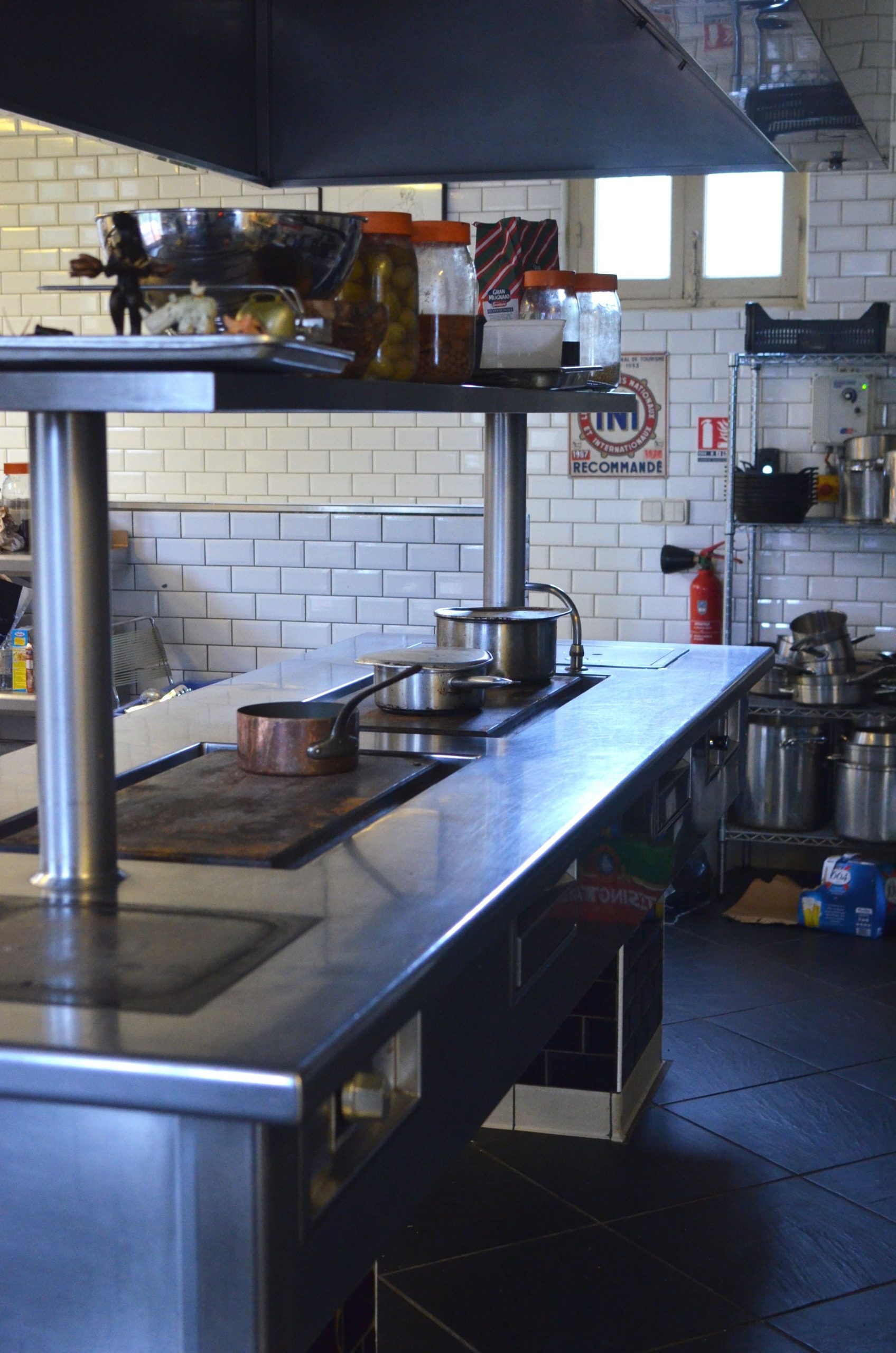
Why learn this from a repair tech, not a consultant?
Consultants read you the code. I’m the one who shows up after the inspection to fix what got flagged. I see the same five or six problems over and over, kitchen after kitchen – so I built the walk-through I wish every owner did before I ever got the call.
- ✓Hands-on in 100+ commercial kitchens every month – I know what actually breaks.
- ✓Every module is a real fix or a real check, shown on real equipment, in plain terminology.
- ✓No fluff, no theory – if it won’t cost you points or money, it’s not in the course.
Eight modules. One pass through your kitchen.
Watch in order or jump to what worries you most. By the end you’ll walk your own line like an inspector would.
How inspections are actually scored
How points come off, which violations are “critical,” and what triggers an on-the-spot closure.
11 min
The hardware hit list
The six worn parts that fail most often: door seals, self-closers, drain covers, sweeps, and more.
12 min
Coolers, gaskets & the cold chain
Spotting a failing seal, a struggling evaporator, and the temperature drift inspectors catch first.
11 min
Doors, sweeps & pest pathways
Where pests really get in, how to find the gaps from inside, and the quick fixes that close them.
10 min
Drains, floors & backflow
The floor-drain and sink issues that read as contamination risk – and how to keep them off the report.
12 min
The paperwork they check first
The logs an inspector asks for in minute one, and a system your team will actually keep up.
10 min
Your 15-minute self-audit
The exact walk-through I do, with the printable checklist so you or a manager can run it weekly.
13 min
Fix it now, or call a pro?
A triage guide so you know what you can handle today and what’s worth a service call.
11 min
What it found in their kitchens.
[Featured review — your best, most specific customer quote goes here. A real before/after or a dollar figure they saved lands hardest.]
[Real customer quote — short, specific, in their own words.]
[Real customer quote — names a specific thing they caught.]
Placeholder reviews — swap for real, verifiable quotes before publishing. Fabricated testimonials violate FTC rules; hide this section until you have real ones.
Catch it first — for the price of one slow lunch shift.
Service Ready Academy — Full Course
Instant access · Any device · Yours for life
- All 8 video modules (90 minutes total)$197
- The printable 15-minute self-audit checklist$49
- The “what inspectors check first” records pack$39
- Fix-it-now vs. call-a-pro triage guide$29
- Lifetime access + future updatesIncluded
Before you enroll.
Still unsure? The 30-day guarantee below takes the risk off the table entirely.
Does this replace my food handler / sanitation certification?
Will this apply in my state or county?
How long does it take, and how do I watch it?
I’m a manager, not the owner. Is it still for me?
Do I need tools or repair experience?
What if it’s not for me?
The 30-day “find one problem” guarantee
Walk your own kitchen with the checklist. If you don’t find at least one unlogged problem worth fixing within 30 days, email us for a full refund. The worksheets are yours to keep either way.